Structural steel is named for its cross-section shape, and that shape is not decorative — it is engineered for a specific kind of load. If you are sourcing steel for a fabrication job for the first time, here is a plain breakdown of the four sections that make up most structural orders.
Channels (C-section)
Channels have a C-shaped cross-section and are used widely in framing, purlins, bracing and general fabrication where a rigid, easy-to-weld section is needed. They are one of the most commonly ordered structural sections because of how versatile the shape is.
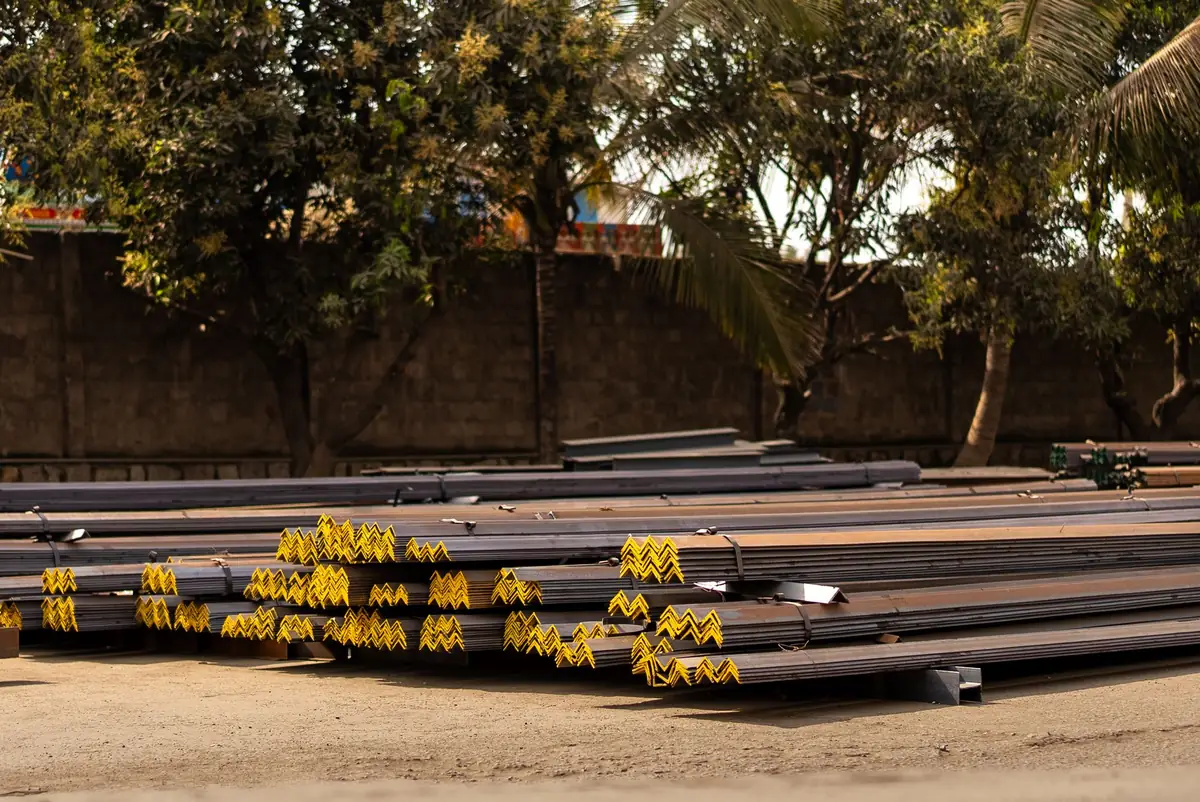
Angles (L-section)
Angles are L-shaped and used for bracing, framing, support brackets, and as connecting elements between other structural members. Their shape makes them efficient for resisting bending in two directions at once, which is why they show up constantly in towers, racks and support structures.
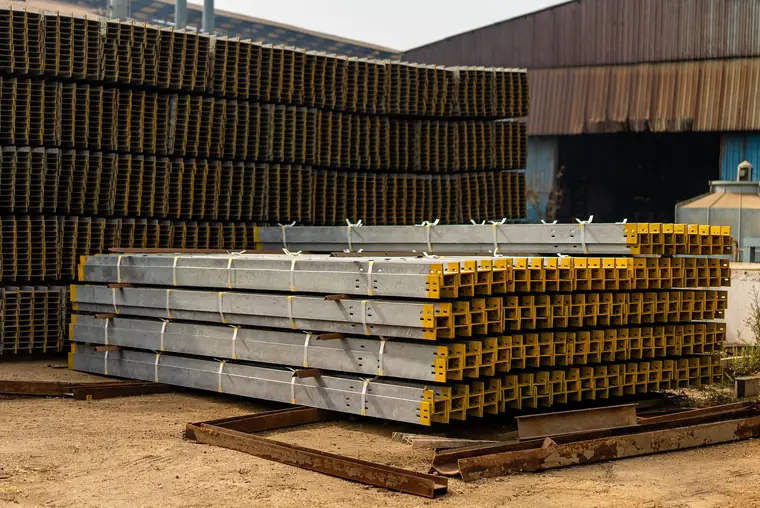
Joists
Joists are load-bearing horizontal members, typically I-shaped, used to support floors, roofs and platforms across a span. They are chosen based on the span length and the load the floor or roof needs to carry.
Beams
Beams are the heavier-duty horizontal structural members that carry major loads across longer spans — think building frames, industrial sheds and bridges. Beam size is one of the more consequential specifications on a structural drawing, since it is central to how the whole frame carries load.
Sourcing all four together
Most structural fabrication jobs need two or more of these sections in a single order. Sourcing all four from one supplier — rather than coordinating separate orders across multiple traders — usually means fewer delivery delays and one combined invoice instead of several.
Have a requirement instead of a question? Request a quote and we'll reply with availability and pricing within 24 hours.