Sheets and plates are both flat mild steel stock, and the only real difference on paper is thickness. In practice, that thickness difference determines what each one is actually good for — and getting it wrong means either overpaying for strength you don't need, or under-specifying a job that needed a heavier gauge.
Profile (roofing) sheets — thin, shaped, wide coverage
Profile sheets are thin-gauge, roll-formed into a corrugated or trapezoidal shape for strength-to-weight efficiency. They are built for roofing and cladding, where covering large areas cheaply and shedding water matters more than raw thickness.
Flat MS sheets — general fabrication
Flat sheets are thin-to-medium gauge, used where a flat panel is needed rather than a roof profile — enclosures, ducting, general fabrication and light engineering work.
MS plates — where thickness carries load
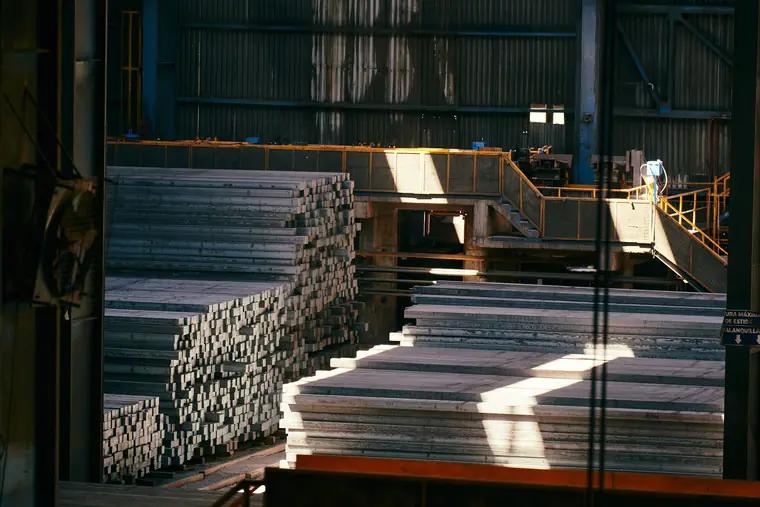
Plates start at a noticeably heavier gauge and are used where the steel itself needs to bear structural or mechanical load — base plates, machine frames, heavy fabrication and structural connections.
Choosing between them
If the job is a roof or wall cladding, you want profile sheets. If you need a flat panel with no real load-bearing role, flat MS sheets. If the steel itself needs to carry weight or resist deformation under load, you need a plate — and the exact thickness should come from your fabricator's or engineer's specification.
Have a requirement instead of a question? Request a quote and we'll reply with availability and pricing within 24 hours.